

At their best, performance reviews help teams align, grow, and contribute to something bigger. At their worst, they’re time-consuming and disconnected from day-to-day work. At Seibert, we believe performance management should be transparent, actionable, and directly tied to company goals—and with Jira and Confluence, that’s not just possible, it’s intuitive.
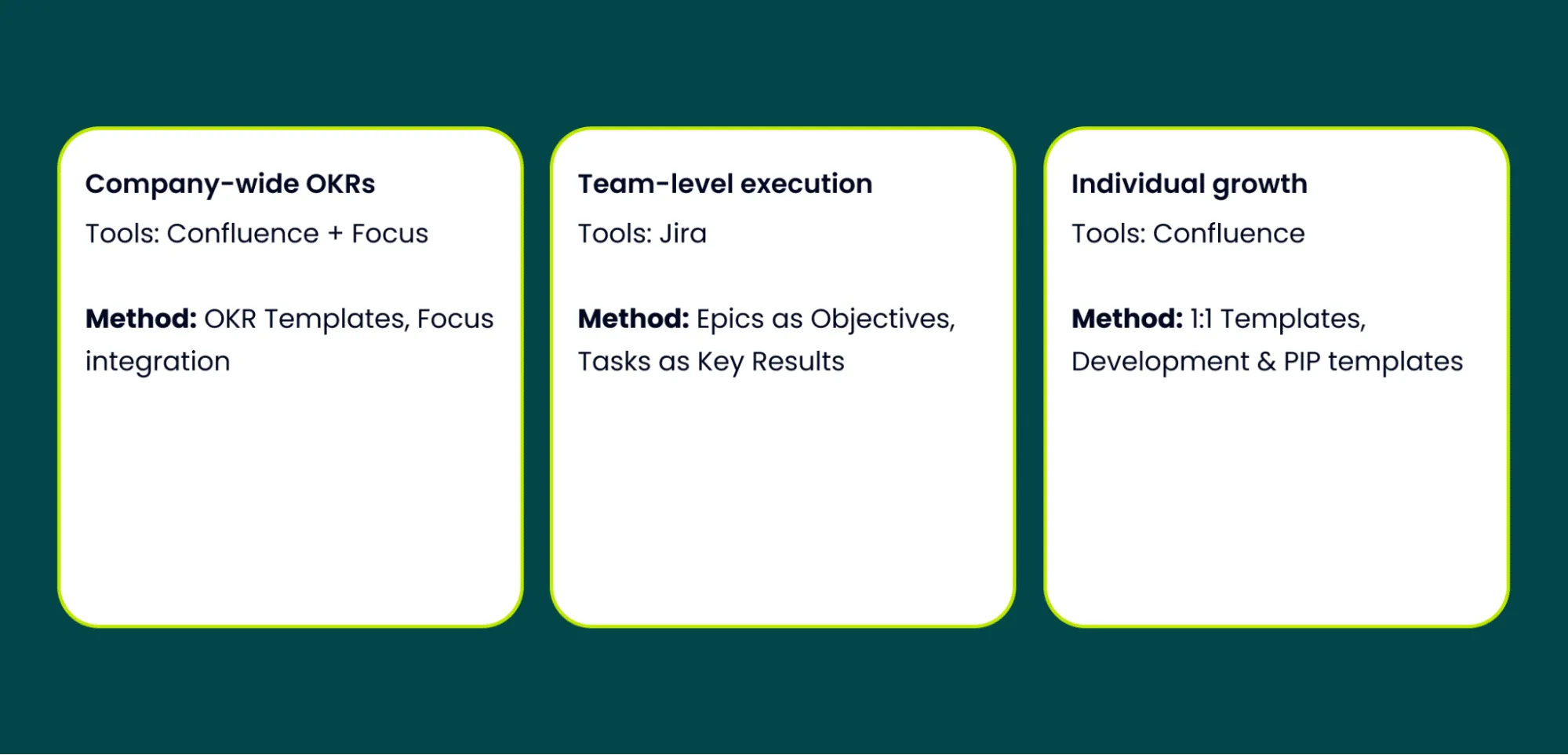
In this post, we’ll explore how to manage performance reviews and track both employee and company goals using Jira, Confluence, and tools like Focus. At Seibert, we manage performance on two levels: company-wide OKRs that guide our long-term strategy, and individual goals that support employee development. Using Atlassian tools, we ensure these two layers stay aligned and actionable—connecting vision to execution through a SAFe-aligned OKR process.
Why are OKRs (Objectives and Key Results) important?
According to the OKR Impact Report 2022 (Source: Mooncamp), implementing OKRs has a broad positive impact across organizations—including sharper focus, clearer prioritization, improved strategic transparency, and a stronger corporate culture. In fact, teams that prioritize their work are 4.6x more likely to be effective and productive. OKRs also support organizational agility, with companies that clearly identify top goals being 4.7x more likely to adapt quickly to change (Source: Atlassian).
Now that we’ve seen why OKRs matter, the next question is: How do we manage performance goals, reviews, and feedback in a way that works?
Step 1: Start with Strategic Goal Setting in Confluence
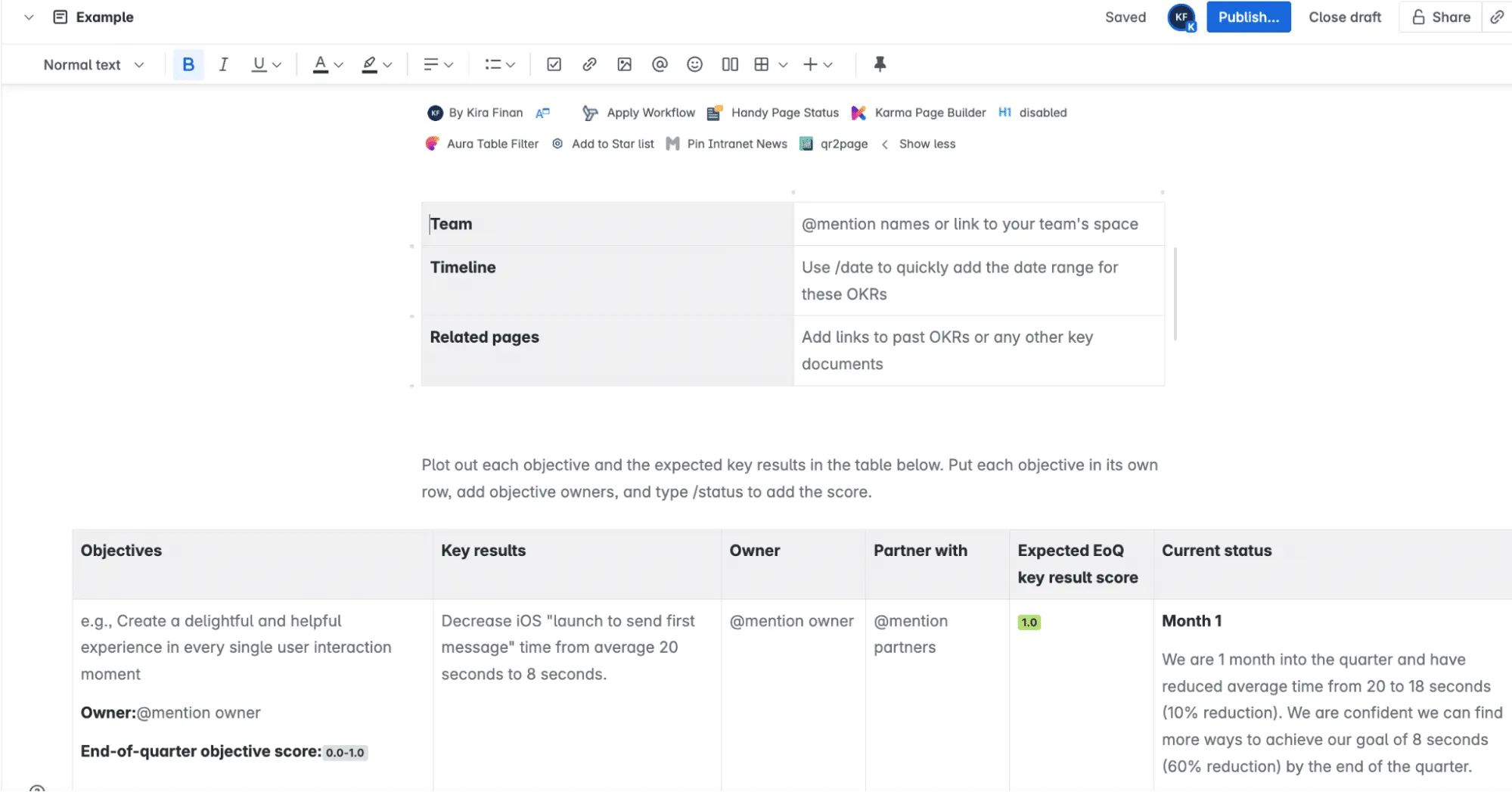
Performance begins with clarity and alignment. At Seibert, our strategy circle defines company-wide goals that typically span three to five years. These are structured as OKRs and documented in Confluence, making them accessible and transparent to everyone in the organization.
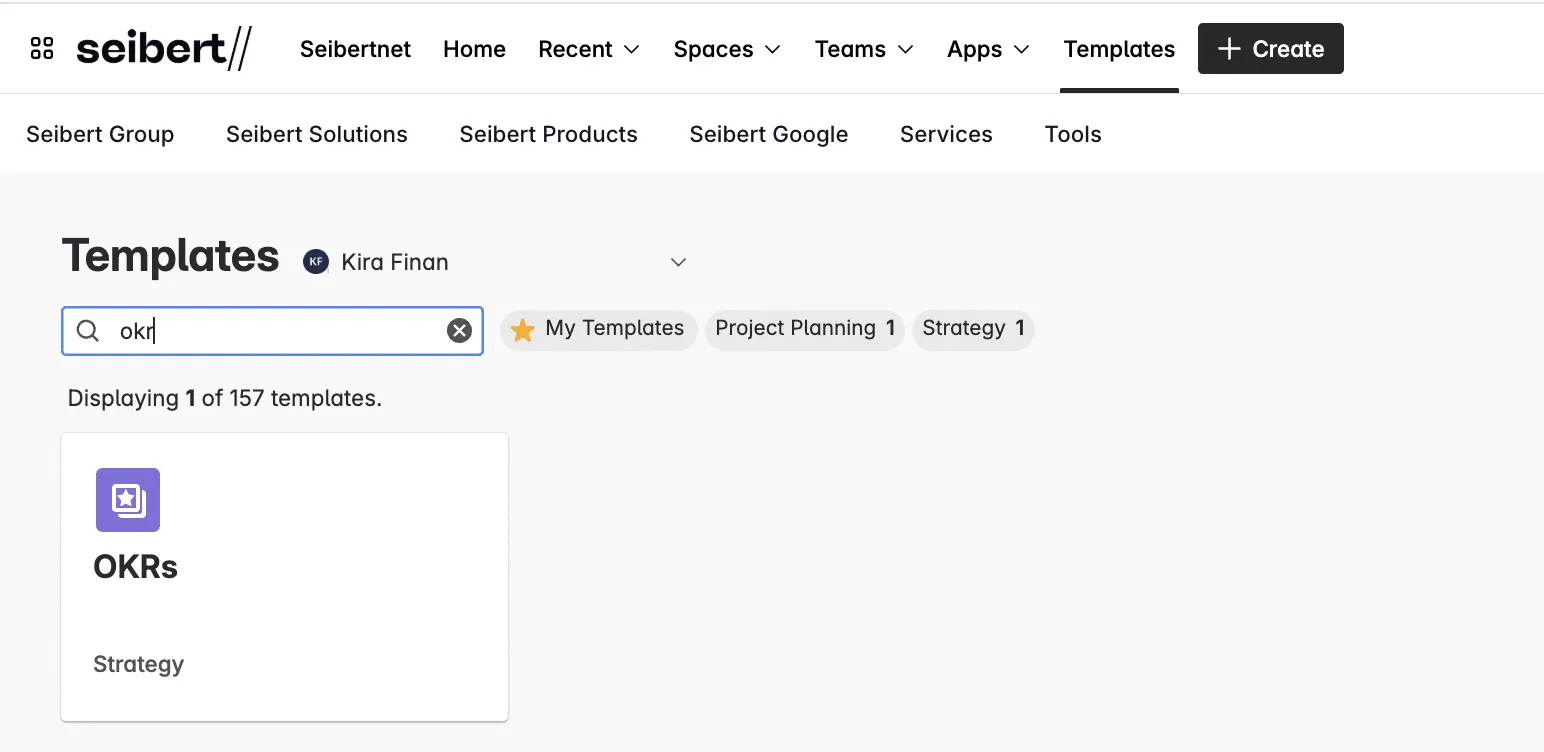
Embedding goals in Confluence ensures that teams don’t just know what we’re aiming for—they understand why it matters and how their work contributes. Confluence offers a built-in OKR Template that makes it easy to define, share, and align your goals.
Step 2: Translate OKRs into Work Using Jira
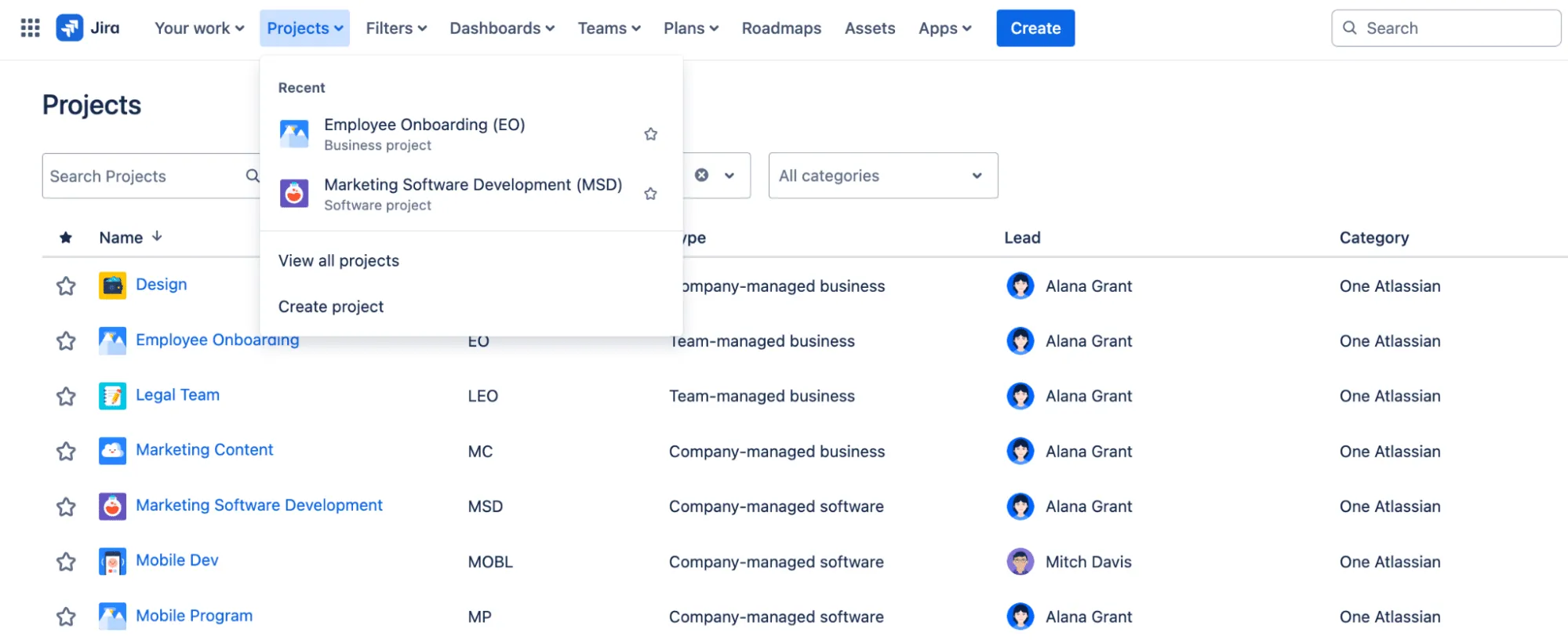
Setting goals is just the beginning. Once your goals are in place, you can bring them to life by creating a new project in Jira.
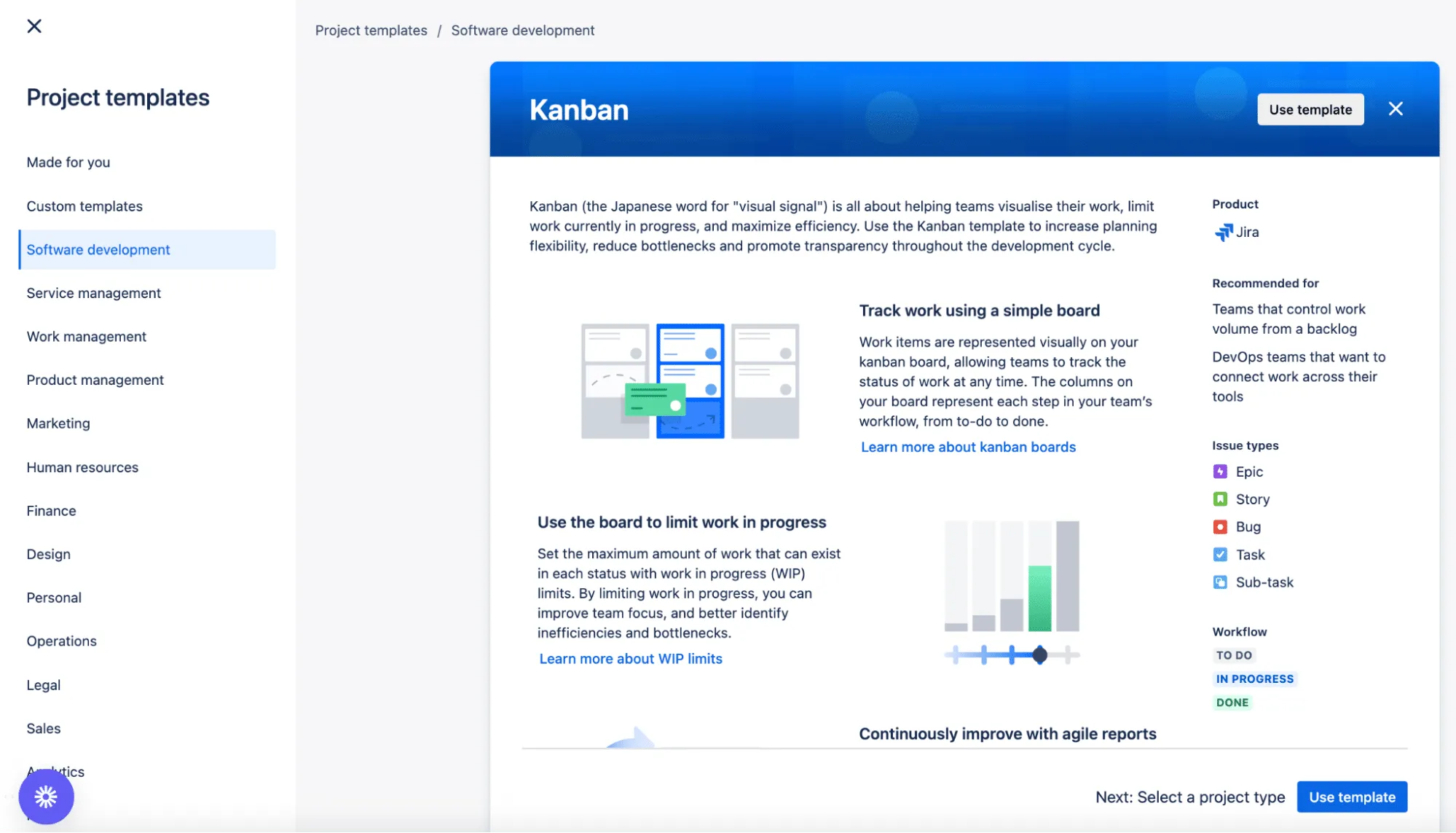
The Kanban project template is especially useful for visualizing progress with its simple board structure and intuitive drag-and-drop features. This setup gives teams a clear path from high-level objectives to actionable tasks.
If you’re not a Jira admin, you can structure your OKRs by using Epics as Objectives and Tasks as Key Results. Jira admins, however, have the option to customize this setup by renaming Epics to Objectives under Issues > Issue Types.
A visual aid like the Timeline tab helps you map out your goals relative to their due dates, showing both Objectives and their corresponding Key Results. This clear structure keeps teams aligned and ensures that nothing gets lost along the way.
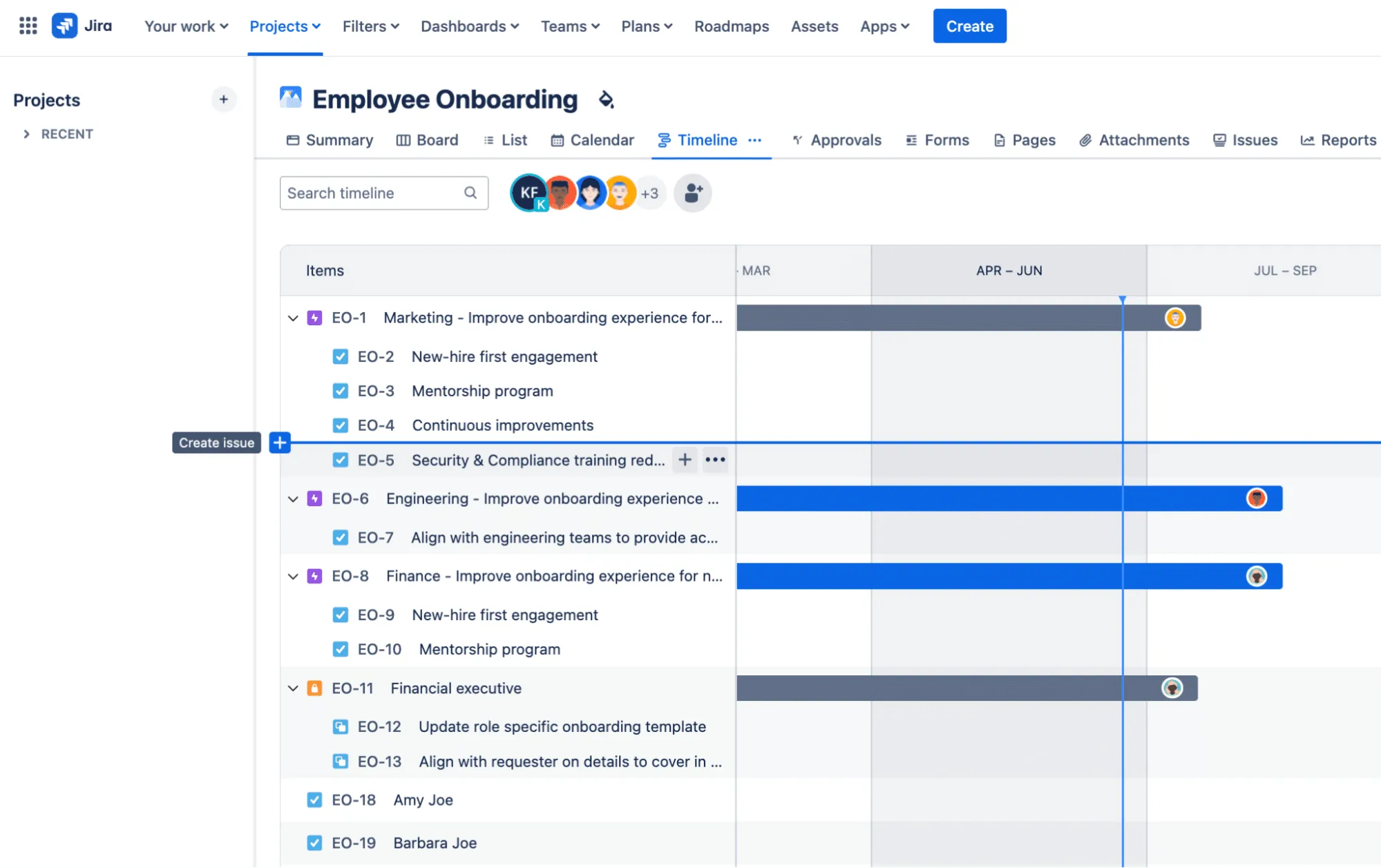
At Seibert, we take this a step further through quarterly PI Planning sessions. During these sessions, the entire company is invited to review strategic OKRs, then break them down into epics and features. These are tracked and executed using Jira, ensuring full traceability from long-term company goals down to individual tasks.
Every Jira epic is assigned an owner—typically the team lead responsible for delivery. Teams commit to completing features that directly roll up into the broader goals defined in Confluence. This is a strong example of how to track OKRs in Jira while maintaining team autonomy and accountability.

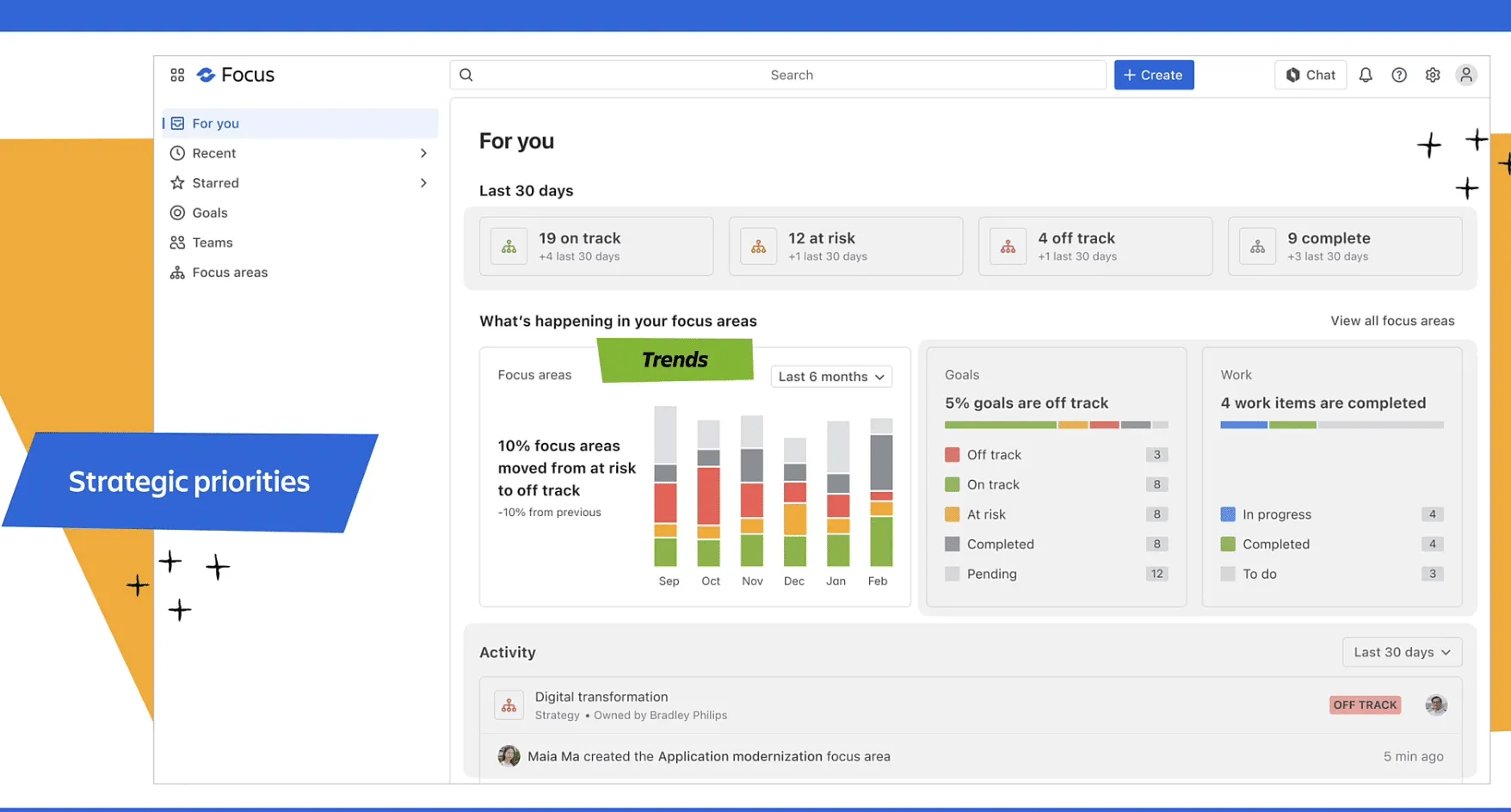
Additionally with Focus, teams can create and manage OKRs using a guided interface that simplifies setup and ensures consistency. Objectives can be linked directly to relevant Confluence pages or Jira issues, making it easy to connect high-level goals with day-to-day work. Progress is visualized across teams and timeframes—whether you’re tracking quarterly outcomes or long-term strategic initiatives. And because updates remain visible and collaborative through inline comments and status tracking, Focus helps keep everyone informed, engaged, and aligned.
Step 3: Manage Performance Reviews and Feedback with Confluence Templates
Performance isn’t just about hitting goals—it’s about learning, adapting, and growing. That’s why we use regular retrospectives and team feedback sessions to review performance at all levels. It’s important to revisit OKRs tracked in Confluence and Jira alongside ongoing individual feedback documented in regular 1:1 check-ins.
Using Confluence’s 1:1 meeting templates, managers and employees keep a continuous record of development conversations, which makes performance reviews more informed and meaningful. When challenges arise, structured Performance Improvement Plans help clarify expectations and next steps, directly tied to measurable goals. If features aren’t completed within a given PI cycle, teams document and re-prioritize them for the next sprint—while also reflecting on what went well and what could be improved.
On the individual level, structured feedback cycles should be encouraged. Confluence offers helpful templates for:
- Employee development plans
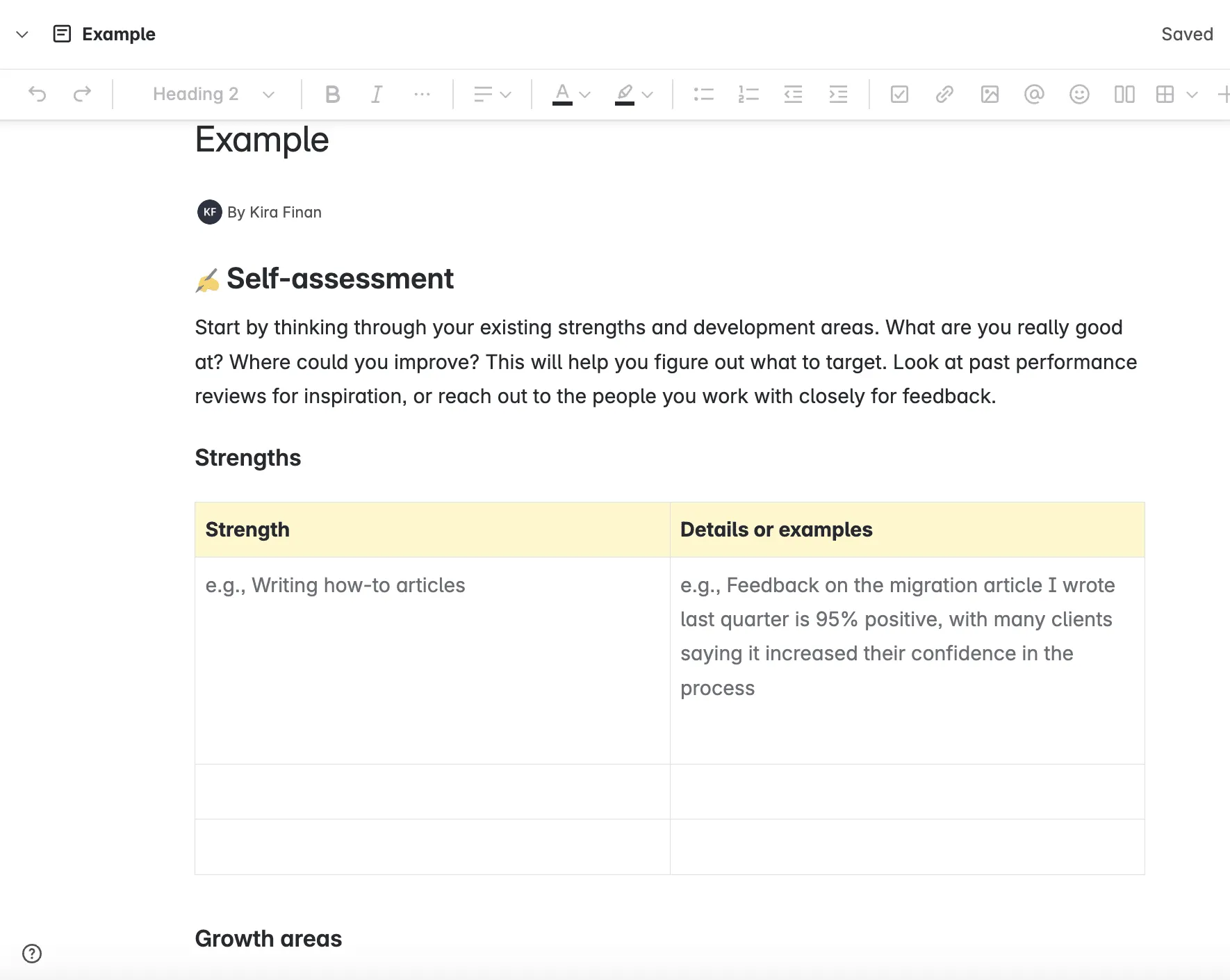
Use Confluence’s Employee Development Plan template to align individual growth goals with company OKRs.
- 1:1 check-ins
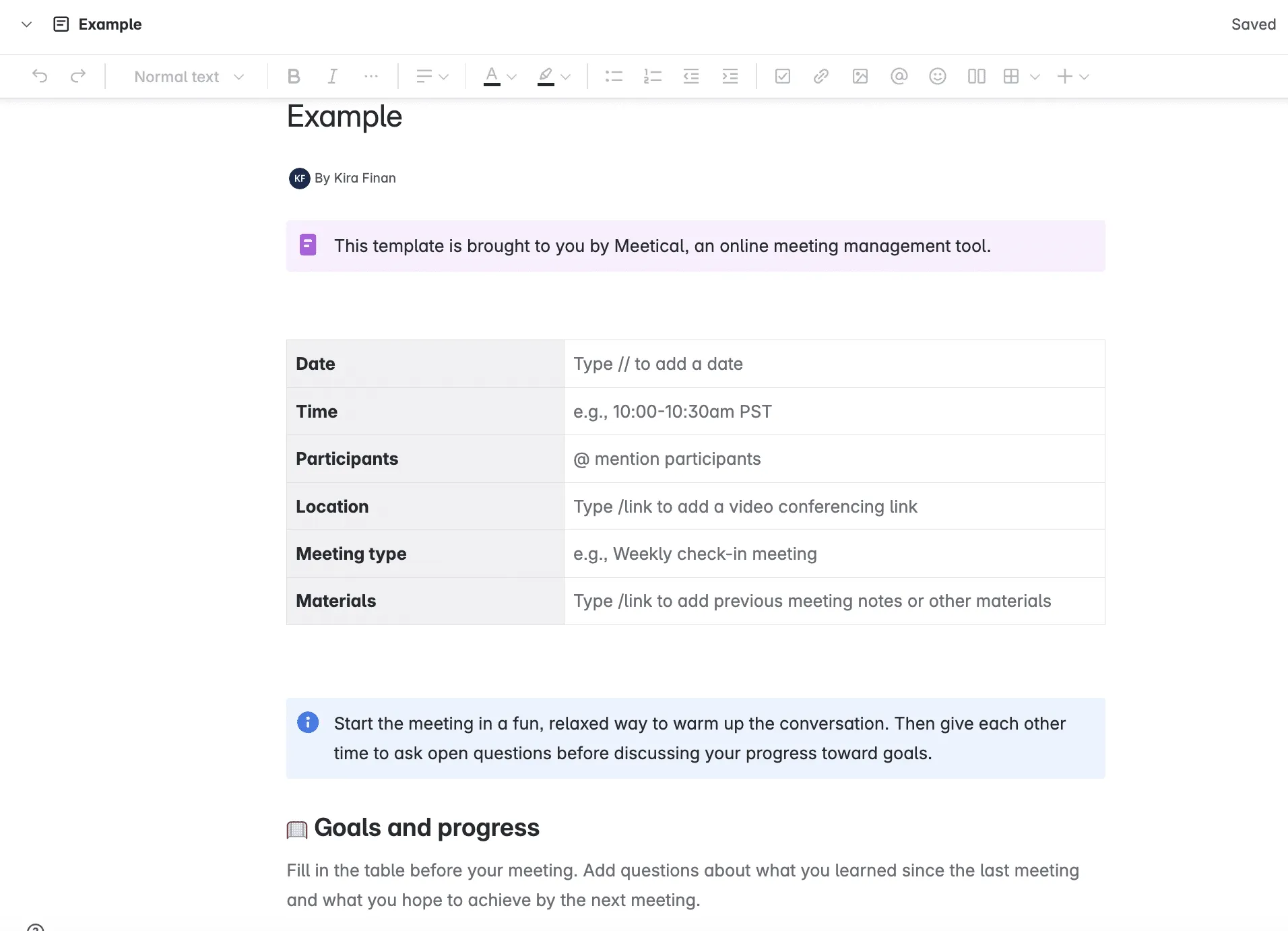
Facilitate regular check-ins between managers and team members using this 1:1 template. Keep notes centralized and visible.
- Performance improvement plans
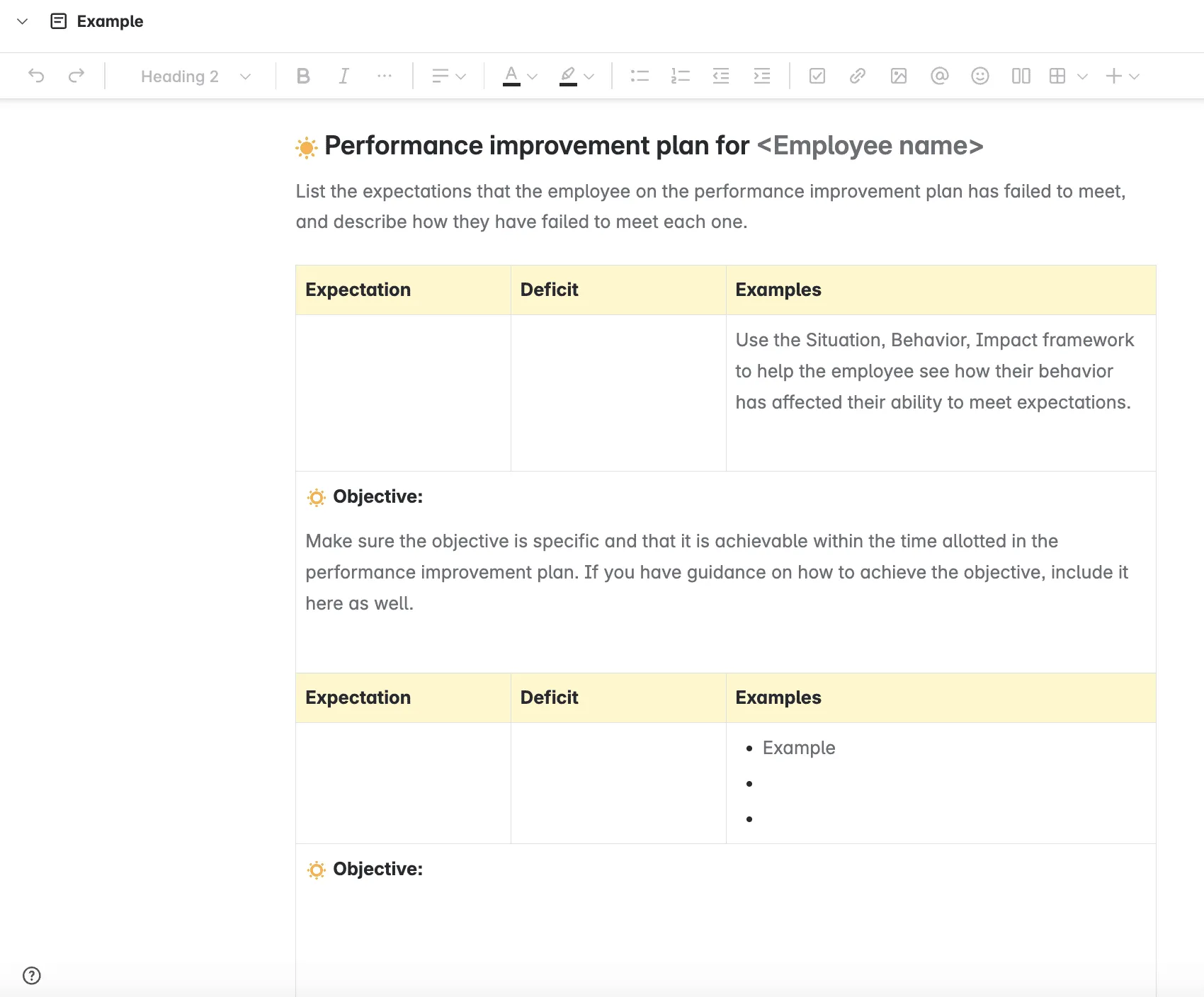
When challenges arise, the Performance Improvement Plan template helps outline clear expectations, timelines, and next steps—keeping conversations constructive.
By centralizing performance feedback in Confluence, we reduce friction and ensure a record of continuous development.
Step 4: Embrace Jira OKRs for Real-Time Adaptability
One of the biggest advantages of using Jira to manage OKRs is flexibility. When priorities change (and let’s be honest—they will), Jira allows us to adapt quickly.
Because team-level goals are broken down into epics and features in Jira, it’s easy to adjust timelines, reassign responsibilities, or shift milestones without losing visibility or accountability. For distributed and hybrid teams, that adaptability is essential.
Whether you’re shifting course due to a product pivot or responding to changing market dynamics, Jira OKRs help ensure everyone stays aligned and connected to broader strategic outcomes.
Step 5: Make Performance Management Part of the Culture
Performance management isn’t a task to check off once a year. It’s a culture to be nurtured.
At Seibert, performance is woven into how we work:
- Strategic goals are defined openly.
- Tasks are planned and executed transparently.
- Feedback is frequent, constructive, and integrated into agile cycles.
And just as important: we celebrate wins. Whether it’s completing an ambitious epic or nailing a quarterly OKR, we take time to recognize and appreciate contributions. Acknowledgment builds connection—and connection fuels performance.
Performance That Moves Everyone Forward
When you connect company vision to team work and individual development, performance becomes more than a review process—it becomes a shared mission. By managing OKRs in Confluence, tracking them in Jira, and keeping feedback flowing, you build a team that’s aligned, engaged, and always moving forward.
At Seibert, we’re passionate about helping organizations transform how they set, track, and achieve their goals. Whether you’re just starting with OKRs or looking to streamline your performance reviews using Jira, Confluence, and Focus, we’re here to guide you every step of the way.
Get in touch with us today to learn how we can tailor Atlassian-powered performance systems to fit your team’s unique needs — and turn your company’s vision into measurable success.